Why analysts see DoorDash as a ‘core holding’ for internet investors
In the ever-evolving digital economy, few companies have managed to embed themselves into everyday life quite like DoorDash. What began as a food delivery platform has transformed into a broader local commerce ecosystem — and that’s exactly why many analysts now call it a “core holding” for internet-focused investors.
1. Market Leadership with Scale
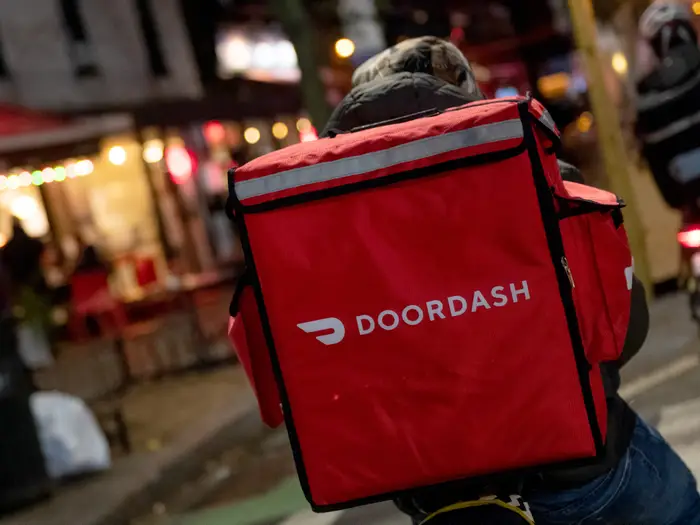
DoorDash commands a leading share of the U.S. food delivery market, consistently outperforming competitors in order volume and customer engagement. Scale matters in delivery: more users attract more restaurants, which attract more users — creating a powerful network effect. This dominant position gives DoorDash pricing power, operational leverage, and stronger long-term profitability potential.
For investors, market leadership often signals durability. Companies with scale can better withstand economic slowdowns, competitive pressures, and regulatory challenges.
2. Expansion Beyond Food
DoorDash is no longer just about burgers and pizza. The company has aggressively expanded into grocery, convenience items, alcohol delivery, and even retail partnerships. Its DashMart fulfillment centers and same-day delivery capabilities show ambition to compete in the broader “local commerce” space.
Analysts see this diversification as critical. By expanding into higher-frequency categories like groceries, DoorDash increases order volume per user and strengthens customer loyalty. More categories mean more reasons to open the app — and more revenue streams.

3. Improving Profitability Metrics
One of the biggest concerns in the delivery sector used to be profitability. However, DoorDash has demonstrated improving margins through better logistics efficiency, advertising revenue growth, and disciplined cost management.
Advertising — in particular — has become a hidden growth engine. Restaurants and brands pay to promote their listings within the app, creating a high-margin revenue stream similar to digital ad models seen in other internet giants. Analysts appreciate this shift because ad revenue typically scales faster and costs less than physical delivery operations.
4. Strong Consumer and Merchant Ecosystem
DoorDash’s subscription service, DashPass, plays a significant role in customer retention. Subscribers tend to order more frequently, increasing lifetime value. On the merchant side, DoorDash provides analytics tools, marketing support, and logistics infrastructure — embedding itself deeply into restaurant operations.
This two-sided ecosystem creates high switching costs. Once merchants and consumers are integrated into the platform, leaving becomes inconvenient — a key trait investors look for in “core holdings.”

5. Long-Term Digital Commerce Trends
The broader trend toward online ordering and convenience continues to grow. Urbanization, busy lifestyles, and digital payment adoption support sustained demand for delivery services. Analysts believe DoorDash is strategically positioned to benefit from these structural shifts over the next decade.
Even during economic slowdowns, consumers may trade down in spending but often maintain convenience-driven habits — supporting consistent order flow.
Conclusion
DoorDash’s market leadership, expanding ecosystem, improving profitability, and alignment with long-term digital trends make it more than just a delivery app — it’s a cornerstone of modern local commerce. While risks remain, including competition and regulation, analysts view its scale and innovation strategy as strong defenses. For internet investors seeking durable growth with expanding revenue streams, DoorDash increasingly fits the definition of a “core holding” — steady, scalable, and strategically positioned for the future.
What's Your Reaction?