Economy of Europe: From Past Decades to Present State and Its Changes
The economy of Europe has undergone profound transformations over the past several decades, evolving from post-war reconstruction to becoming one of the most advanced and integrated economic regions in the world. Europe’s economic journey reflects shifts in industrialization, globalization, technological innovation, and political integration. From the rebuilding phase after World War II to the modern era of digital economies and sustainability, Europe has demonstrated resilience and adaptability.
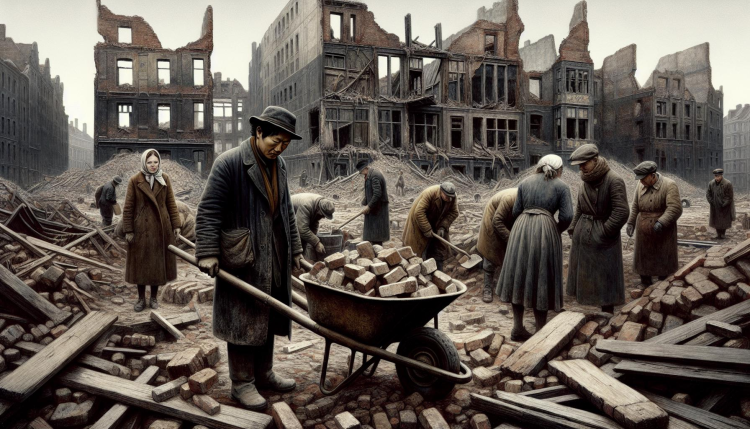
Post-World War II Era (1945–1970s): Reconstruction and Growth
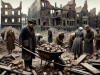
After World War II, Europe faced massive economic devastation. Infrastructure was destroyed, industries collapsed, and economies were in crisis. However, this period also marked the beginning of recovery and rapid growth.
1. Marshall Plan and Reconstruction
The United States introduced the Marshall Plan, providing financial aid to rebuild European economies. This support helped restore industries, infrastructure, and trade.
2. Rise of Industrial Economies
European countries focused on industrial development:
- Manufacturing and heavy industries expanded
- Employment increased
- Productivity improved
3. Formation of Economic Cooperation
The foundation for economic integration began with:
- The European Coal and Steel Community (ECSC)
- Early steps toward the European Economic Community (EEC)
These initiatives aimed to promote coop
eration and prevent future conflicts

.
1970s–1980s: Economic Challenges and Transition
The 1970s and 1980s brought new challenges that reshaped Europe’s economy.
1. Oil Crises and Inflation
The oil shocks of the 1970s led to:
- Rising energy costs
- Inflation
- Economic slowdown
2. Shift from Industry to Services
Europe began transitioning from heavy industries to service-based economies:
- Growth of banking, finance, and tourism
- Decline in traditional manufacturing sectors
3. Unemployment Issues
Structural changes led to higher unemployment in many countries, especially among industrial workers.
1990s: Integration and Globalization
The 1990s marked a turning point in Europe’s economic history.
1. Formation of the European Union (EU)
The establishment of the European Union created a unified economic space:
- Free movement of goods, services, capital, and labor
- Increased trade among member states
2. Introduction of the Euro
The creation of the euro as a common currency strengthened economic integration and simplified trade.
3. Expansion to Eastern Europe
After the fall of communism, Eastern European countries transitioned to market economies and joined the EU, boosting economic growth and integration.

2000s: Growth, Innovation, and Crisis
1. Economic Growth and Global Trade
The early 2000s saw strong economic growth:
- Expansion of global trade
- Increased foreign investment
- Development of technology sectors
2. Rise of Knowledge-Based Economy
Europe focused on innovation:
- Growth in IT, research, and education
- Emphasis on skilled labor
3. Global Financial Crisis (2008)
The financial crisis had a major impact:
- Banking sector instability
- Rising unemployment
- Sovereign debt crises in countries like Greece, Spain, and Italy
Governments implemented austerity measures, which slowed recovery but stabilized economies.
2010s: Recovery and Structural Reforms
1. Economic Recovery
After the crisis, Europe gradually recovered:
- Stabilization of financial systems
- Growth in employment
- Improved economic performance
2. Structural Reforms
Countries introduced reforms to:
- Improve fiscal discipline
- Enhance competitiveness
- Strengthen banking systems
3. Brexit
The United Kingdom’s decision to leave the EU created economic uncertainty:
- Trade disruptions
- Investment challenges
- Changes in economic relationships
2020s: Present State of Europe’s Economy
1. Impact of COVID-19 Pandemic
The pandemic caused:
- Economic contraction
- Disruptions in supply chains
- Increased government spending
However, recovery measures such as stimulus packages helped revive economies.
2. Digital Transformation
Europe is now focusing on digitalization:
- Growth of e-commerce
- Expansion of digital services
- Investment in artificial intelligence and innovation
3. Green Economy and Sustainability
Europe is leading in environmental policies:
- Transition to renewable energy
- Reduction of carbon emissions
- Green investments and policies
4. Current Challenges
Despite progress, Europe faces several challenges:
- Inflation and energy crises
- Geopolitical tensions
- Aging population
- Economic disparities among countries
Key Changes in Europe’s Economy Over Time
1. From Industrial to Service Economy
Europe has shifted from manufacturing-based economies to service-oriented systems.
2. Increased Economic Integration
The creation of the EU and euro has strengthened economic unity.
3. Technological Advancement
Digitalization and innovation have transformed industries and productivity.
4. Globalization
Europe has become deeply connected to global markets.
5. Focus on Sustainability
Environmental concerns now play a central role in economic policies.
Comparative Analysis: Past vs Present
| Aspect | Past (1950s–1980s) | Present (2020s) |
|---|---|---|
| Economic Structure | Industrial | Service & Digital |
| Integration | Limited | Highly integrated (EU) |
| Technology | Basic industrial | Advanced digital & AI |
| Trade | Regional | Global |
| Policies | Growth-focused | Sustainable & inclusive |
Future Outlook
Europe’s economic future will depend on:
1. Innovation and Technology
Continued investment in AI, automation, and digital infrastructure.
2. Green Transition
Achieving climate goals while maintaining economic growth.
3. Economic Stability
Managing inflation, debt, and global uncertainties.
4. Social Inclusion
Reducing inequality and supporting aging populations.
Conclusion
The economy of Europe has evolved significantly over the decades, transitioning from post-war recovery to a modern, integrated, and innovation-driven system. Each phase—from reconstruction to globalization and digital transformation—has shaped its current economic structure.
While Europe faces ongoing challenges, its strong institutions, commitment to sustainability, and focus on innovation position it well for future growth. The journey of Europe’s economy demonstrates resilience, adaptability, and the importance of cooperation in achieving long-term development.
What's Your Reaction?