Inflation is projected to continue its downward trend throughout 2026
The global economy is currently navigating a period of "disinflation," where the rate of price increases is slowing, even as the overall cost of living remains at historically high levels.
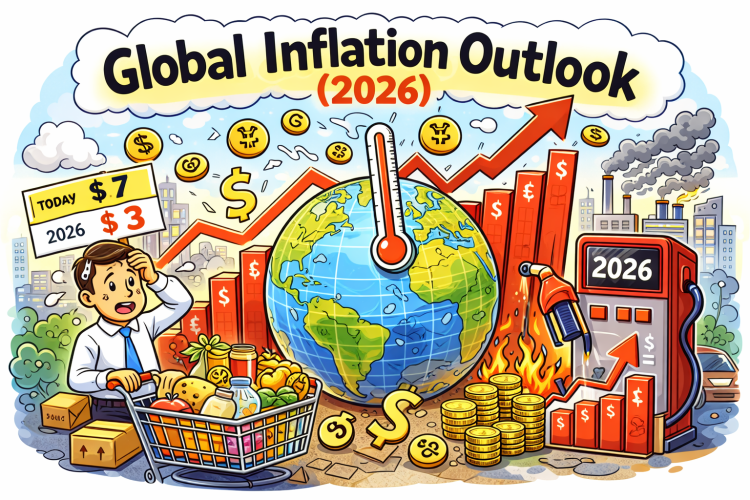
Global Inflation Outlook (2026)
- Global Average: Projected to fall to 3.1%–3.8% in 2026, down from 4.0%–4.2% in 2025.
- United States: Forecasted at 2.4%–3.2%, with some analysts warning of a potential early-year rebound due to tariff pass-through effects.
- Euro Area: Expected to dip to 1.9%–2.0%, aligning with the European Central Bank's (ECB) target as wage and energy pressures ease.
- High-Inflation Hotspots: Countries likeÂ
Venezuela (682%),ÂSudan (55%), andÂIran (42%–56%) continue to face severe inflationary crises.
- Global headline inflation is projected to continue its downward trajectory in 2026, reaching between 2.6% and 3.8%, as supply-side shocks fade and restrictive monetary policies take hold. While the "peak" of the inflation crisis has passed, the International Monetary Fund (IMF) and World Bank warn that core inflation remains "sticky" and regional outcomes are increasingly divergent.
| Organisation | Global Headline Inflation Forecast | Notes |
| IMF | 3.7% – 3.8% | Gradual decline from 4.1% in 2025 |
| WORLD BANK | 2.6% | Reflects softer labor markets and lower energy prices |
| UNCTAD | 3.1% | Down from 3.4% in 2025; warns of persistent living costs |
| OECD (G20) | 2.8% – 3.2% | Projections revised upward due to trade barriers |
The Persistent Cost of Living Crisis
Despite lower inflation figures, a "crisis" persists because prices for essentials have not returned to pre-pandemic levels, and nominal wages often fail to keep pace.
- Stagnant Real Incomes: High cumulative inflation since 2021 has eroded purchasing power; even as inflation slows, many households are "poorer" in real terms.
- Major Cost Drivers:
- Housing: Remains the largest inflationary pressure in many regions, with rent and mortgage costs continuing to climb.
- Food & Energy: While global commodity prices (like Brent crude at ~$58/barrel) have softened, retail prices for food remain volatile due to climate-related risks.
- Socioeconomic Impact: Lower-income households are disproportionately affected, often forced to choose between "heating and eating" as a higher percentage of their income goes toward essentials.
Regional Spotlight: India
- Current Rate: Headline CPI inflation rose to 2.75% in January 2026, up from 1.33% in December 2025.
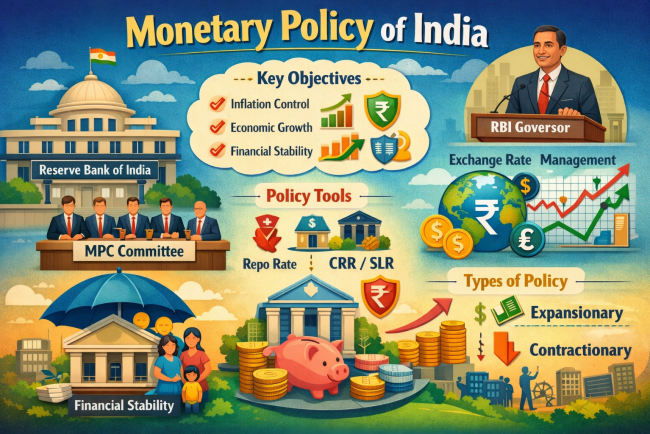
- Policy Stance: The RBI has reduced interest rates (repo rate to 5.25%) and maintains a 2%–6% tolerance band to support growth while monitoring food price risks.
- New CPI Series: India updated its consumer price index base in 2024, reducing the weight of food and increasing the weight of the core basket (e.g., services, housing) to better reflect modern consumption.
Regional Divergence
- United States: Inflation is expected to fall toward 2.4%, though it may remain above the Federal Reserve's 2% target. Risks include tariff pass-through effects and fiscal expansion.
- Euro Area: Projected to reach the 1.9% – 2.0% target by mid-2026 as wage pressures and energy costs normalize.
- Emerging Markets (EM): Average headline inflation is set to stabilize around 3.2% (excluding outliers like Turkey and Venezuela).
- India: Expected to average 2.9% – 4.3% for the 2026-27 fiscal year, supported by a new CPI basket with lower food weight.
- China: Faces deflationary risks, with consumer prices projected to rise by only 0.7%.
Conclusion
- Mission Accomplished: Headline inflation is hitting targets in the US and Europe, but core inflation (services and housing) remains stubbornly elevated, preventing a full return to pre-pandemic affordability.
- The Price Plateau:  "Disinflation" means prices are rising slower, not that they are falling. For the average consumer, the cost-of-living crisis persists because wages have not fully recouped the purchasing power lost since 2021.
- Global Imbalance: While India and the West see stabilization, a handful of nations (Venezuela, Sudan, Iran) remain trapped in hyperinflationary cycles, further widening the global inequality gap.
- 2026 Risks: The primary threats to this "soft landing" are geopolitical trade barriers (tariffs) and climate-driven food spikes, which could trigger a secondary wave of inflation late in the year.
What's Your Reaction?