Europe Politics UK PM Keir Starmer suffers major blow after his party comes third in key vote
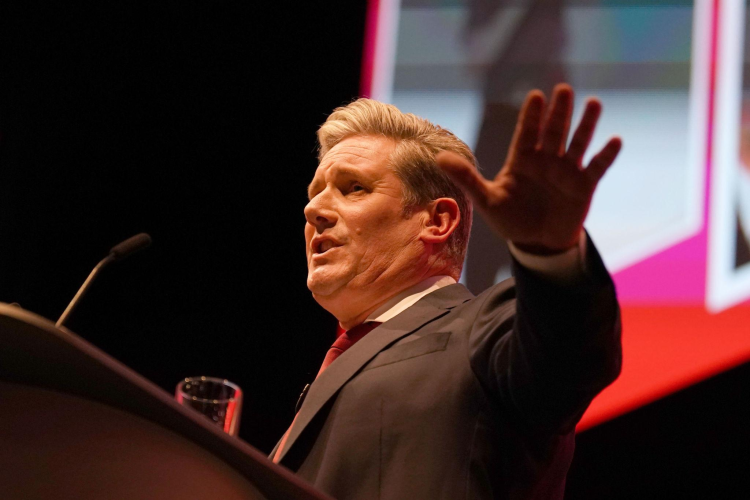
British politics witnessed a dramatic twist as UK Prime Minister Keir Starmer faced a significant setback after his party, the Labour Party, slipped to third place in a crucial vote. The outcome has sparked intense debate across Westminster and beyond, raising questions about public sentiment, party momentum, and the broader direction of UK politics.
A Surprising Result
For a sitting Prime Minister, finishing third in a major vote is more than symbolic — it reflects shifting voter confidence. While local or by-election results do not automatically determine national outcomes, they often serve as political temperature checks. In this case, the result suggests that voters may be reassessing their expectations from Starmer’s leadership.
Opposition parties were quick to frame the outcome as a referendum on government performance. Political analysts described it as a “wake-up call,” especially at a time when economic pressures, public service concerns, and debates over immigration and taxation remain central to voter priorities.

What Went Wrong?
Several factors may have contributed to Labour’s third-place finish:
-
Economic Frustration: Ongoing cost-of-living pressures continue to weigh heavily on households. Even modest improvements may not yet be strongly felt by voters.
-
Policy Fatigue: Some critics argue that the government’s messaging has lacked clarity on key reforms.
-
Resurgent Rivals: Both major and smaller parties appear to be mobilizing effectively, capitalizing on localized issues and voter dissatisfaction.
Politics in the UK is often unpredictable, and regional dynamics can vary significantly. What resonates nationally may not always translate locally.
Impact on Starmer’s Leadership
Keir Starmer, known for his measured and pragmatic style, has built his leadership on stability and institutional reform. However, political leadership is ultimately tested at the ballot box. Finishing third places added pressure on his team to recalibrate strategy, strengthen grassroots engagement, and sharpen communication.
Within party ranks, such results can lead to introspection. While there has been no immediate sign of internal revolt, political setbacks often energize debate about policy direction and campaign tactics.

Wider European Context
Across Europe, political landscapes have become increasingly fluid. From coalition reshuffles to rising populist movements, voter volatility is reshaping traditional party dominance. The UK’s political shifts mirror broader continental trends where established parties must continuously adapt to evolving public expectations.
For international observers, this result is significant not only domestically but also in terms of Britain’s diplomatic standing, economic negotiations, and post-Brexit positioning. Stability at home often strengthens credibility abroad.
Conclusion
The third-place finish for Labour marks a challenging moment for Prime Minister Keir Starmer. While it does not determine the government’s fate, it sends a clear signal that political momentum cannot be taken for granted. For Starmer, this setback could become either a stumbling block or a catalyst — an opportunity to reconnect with voters, refine priorities, and reinforce leadership. In politics, resilience often defines success. The coming months will reveal whether this vote becomes a temporary dip or a deeper shift in the UK’s political landscape.
What's Your Reaction?