Between Diplomacy and Danger: U.S.–Iran Relations at a Crossroads
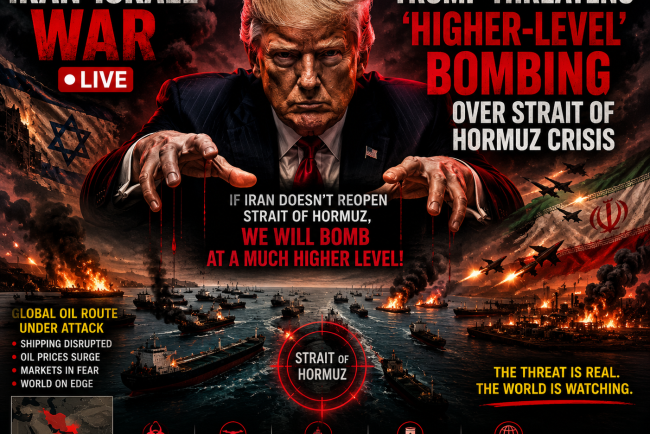
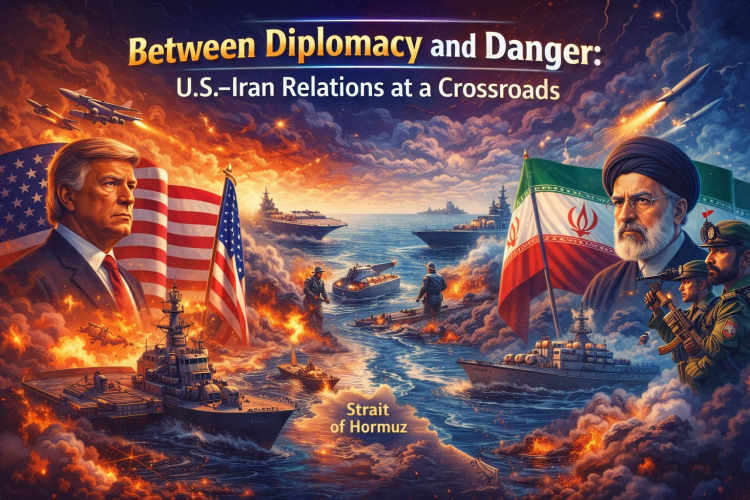
The reopening of the Strait of Hormuz has once again brought global attention to rising tensions between United States and Iran. As one of the world’s most critical oil transit routes, any disruption in this narrow passage has immediate consequences for global energy markets and economic stability. While recent developments suggest a possible move toward diplomatic negotiations, continued military threats, naval presence, and political disagreements indicate that the situation remains highly uncertain. The crisis reflects a delicate balance between peace talks and potential conflict, where even small decisions could have far-reaching global impacts. This topic explores whether the reopening of the Strait signals a step toward resolution or merely a temporary pause in escalating tensions, highlighting its significance for international relations, global trade, and energy security.
Introduction
The Strait of Hormuz—one of the world’s most critical oil chokepoints—has once again become the center of global attention. After a brief reopening linked to ceasefire diplomacy, Iran has reclosed the strait amid rising tensions with the United States, leaving the world asking a crucial question: Are the U.S. and Iran moving toward peace, or drifting into renewed conflict?
A Fragile Reopening — and Sudden Reversal
Just days ago, Iran signaled a willingness to reopen the Strait of Hormuz under certain conditions, including coordination with its military and possible financial concessions such as unfreezing billions in assets .
However, this reopening proved short-lived. Iran quickly reversed its stance, closing the strait again after the U.S. refused to lift its naval blockade .
This “open–close” cycle reflects not progress—but instability. The strait has effectively become a bargaining chip in high-stakes negotiations.
Signs of a Possible Deal
Despite escalating tensions, there are still signs that diplomacy is alive:
- The U.S. has announced renewed negotiations in Pakistan
- Leaders on both sides have hinted that a deal could be “close”
- Temporary ceasefires have been attempted to reduce violence
President Donald Trump stated that talks could soon lead to an agreement, even as negotiations remain fragile.
Signals of Renewed Fighting
At the same time, the situation on the ground tells a more dangerous story:
- Iran has warned ships they may be attacked if they enter the strait
- Reports indicate vessels have already been fired upon
- The U.S. is planning seizure of Iranian-linked oil tankers globally
Iran’s Revolutionary Guard has even declared the strait “completely closed,” threatening destruction of unauthorized ships
Why the Strait of Hormuz Matters
The stakes couldn’t be higher:
- Around 20% of the world’s oil supply passes through the strait
- Disruptions can cause global fuel price spikes and inflation
- Major economies like India, China, and Japan heavily depend on this route
Conclusion
The Strait of Hormuz crisis highlights the fragile balance between diplomacy and conflict in modern geopolitics. While negotiations offer hope, ongoing military actions suggest that peace is far from guaranteed.
At this moment, the world is watching closely—because what happens next in this narrow waterway could shape global energy markets, international relations, and economic stability for years to come.
What's Your Reaction?