Smartphone market poised for ‘sharpest decline on record’ in 2026
The global smartphone industry is heading into what analysts are calling its steepest contraction ever, with 2026 expected to mark the largest annual drop in shipments in history. The global smartphone industry is facing an unprecedented challenge in 2026, with analysts forecasting the steepest annual downturn in shipments in more than a decade — a shift that could reshape the market’s future. According to multiple industry reports, global smartphone shipments are expected to fall approximately 12–13% year-on-year in 2026, marking the most significant drop the sector has ever seen.
What’s Behind the Decline?
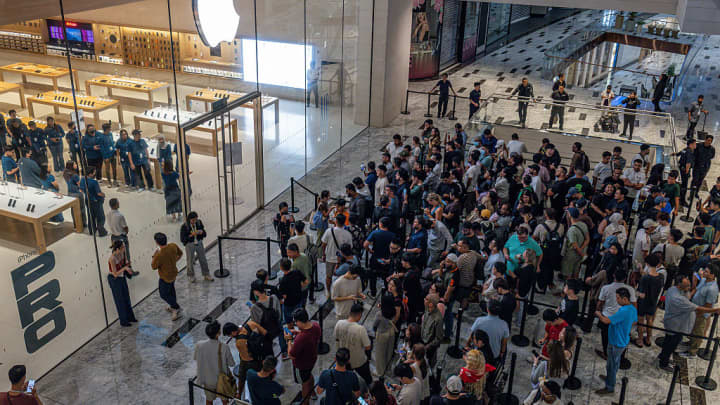
Unlike previous slowdowns that were driven mainly by demand weakness, this collapse is supply-led — and the culprit is a global memory chip shortage. Memory components such as DRAM and NAND flash, essential for running modern devices, have become scarce. This is largely because production capacity is being diverted to support the booming demand for AI infrastructure — like data centers and cloud systems — which consume advanced memory chips in huge volumes.
As a result, memory prices have surged dramatically, pushing up the average selling price (ASP) of smartphones even as shipment volumes plunge. IDC projects a rise in ASP to record levels in 2026, even while the total number of units shipped drops below 1.1 billion — the lowest level since the early 2010s.
Who’s Most Affected?
The impact isn’t uniform across all segments:
-
Budget and entry-level phones are feeling the biggest squeeze. These devices typically operate on thin profit margins, and rising component costs make them less economically viable to produce. Analysts expect lower-priced smartphone shipments to shrink the most as manufacturers struggle to balance costs and affordability.
-
Premium devices, on the other hand, are expected to be more resilient. Brands with strong pricing power and deeper supply chain integration — like Apple and Samsung — are better equipped to absorb higher memory costs and may even expand their market share as competitors falter.
Broader Industry Shifts
This downturn could lead to structural changes in the smartphone ecosystem:
-
Industry consolidation — smaller brands might struggle to survive, potentially exiting the market or being absorbed by larger players.
-
Longer upgrade cycles — as device prices rise, consumers may hold onto their phones for longer, further reducing shipment volumes.
-
Second-hand and refurbished market growth — with new devices pricier, used phones could become increasingly attractive to cost-conscious buyers.
CONCLUSION
The projected 2026 downturn marks a defining moment for the global smartphone industry. What was once a fast-growing, innovation-driven market is now facing intense pressure from supply constraints, rising component costs, and shifting consumer behavior. Yet, challenges often create transformation. Stronger brands may emerge more resilient, innovation could become more focused, and the refurbished market may gain new momentum. While 2026 may record the sharpest decline in history, it could also lay the groundwork for a smarter, more sustainable smartphone ecosystem in the years ahead.
What's Your Reaction?